Evolution & Adaptation
Identifying genomic variation associated with environmental gradients, life history and rapid evolutionary change.
Bradbury Fisheries Genomics Lab
Using genomics to understand adaptation, connectivity and resilience in aquatic species.
Explore the research ↓Research
We study how aquatic biodiversity is structured, how species respond to environmental change, and how genomic information can support conservation and fisheries science.
Identifying genomic variation associated with environmental gradients, life history and rapid evolutionary change.
Resolving population structure, connectivity and distinctiveness to inform conservation and management.
Connecting genomic vulnerability, ecological change and future environments across northern aquatic systems.
Applying genomic tools to stock structure, monitoring, species identification and sustainable fisheries.
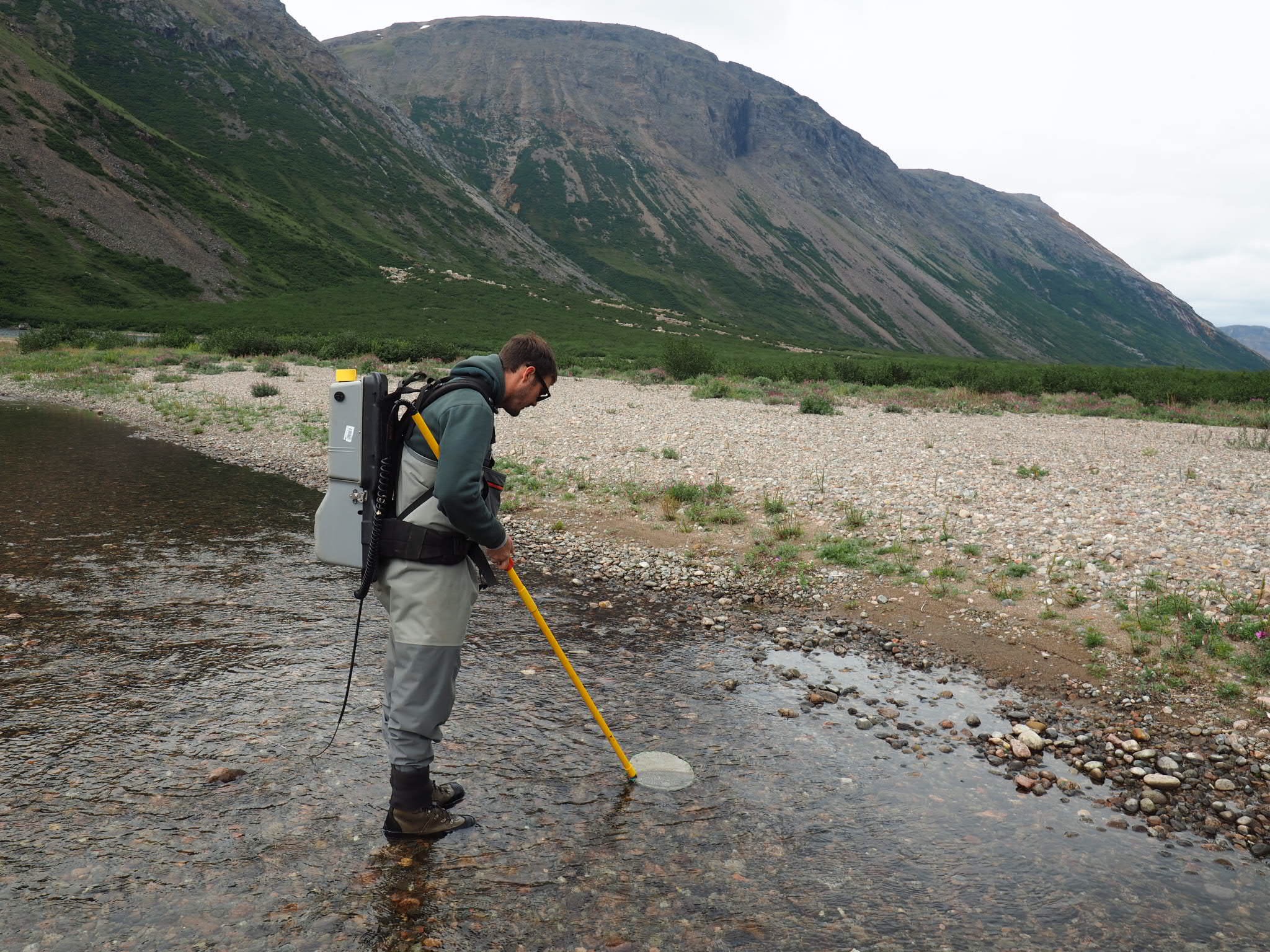
Field science
Featured research
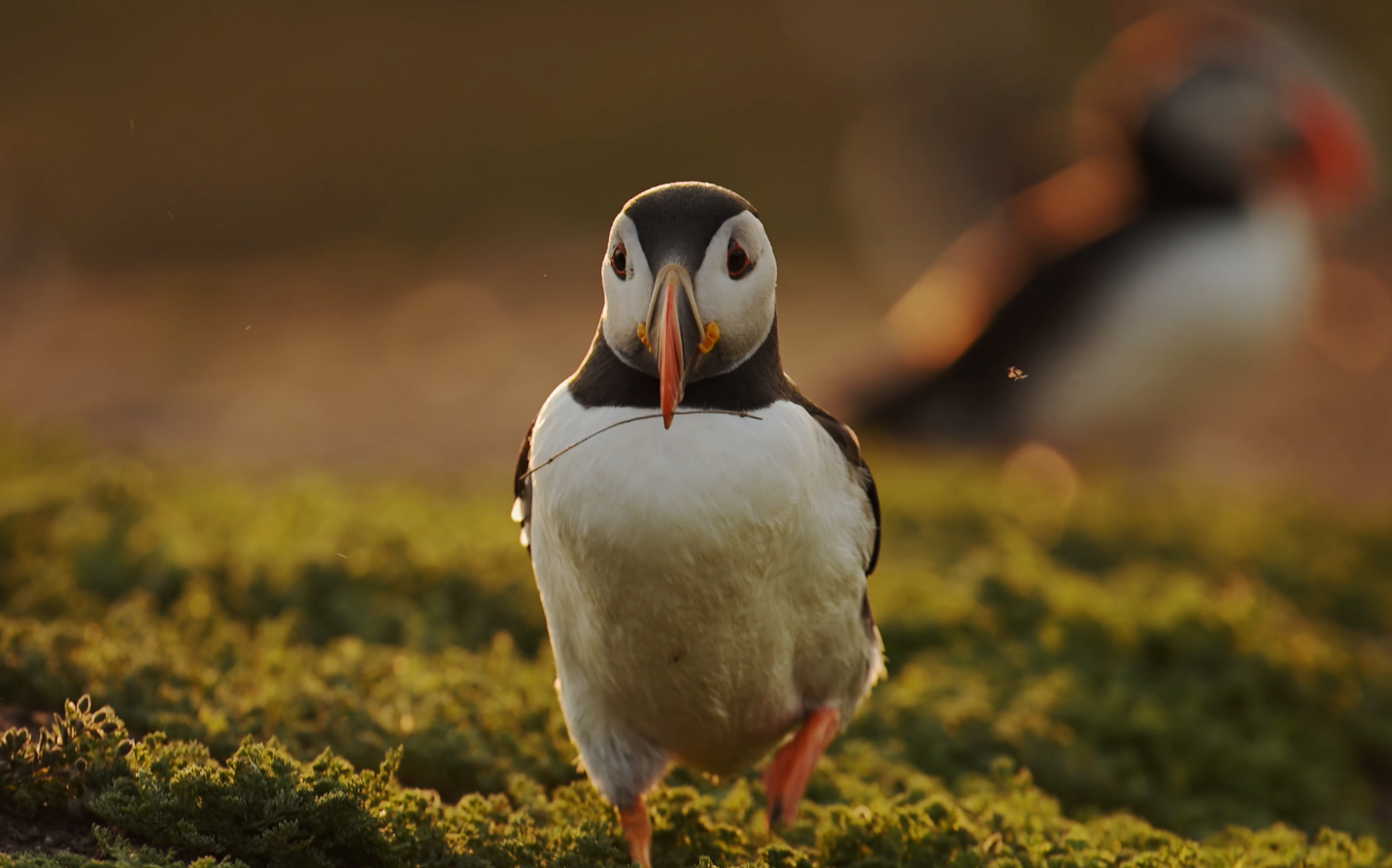
Genomic Adaptation and Resilience to Climate Change—linking genomic diversity with climate vulnerability across Canadian ecosystems.
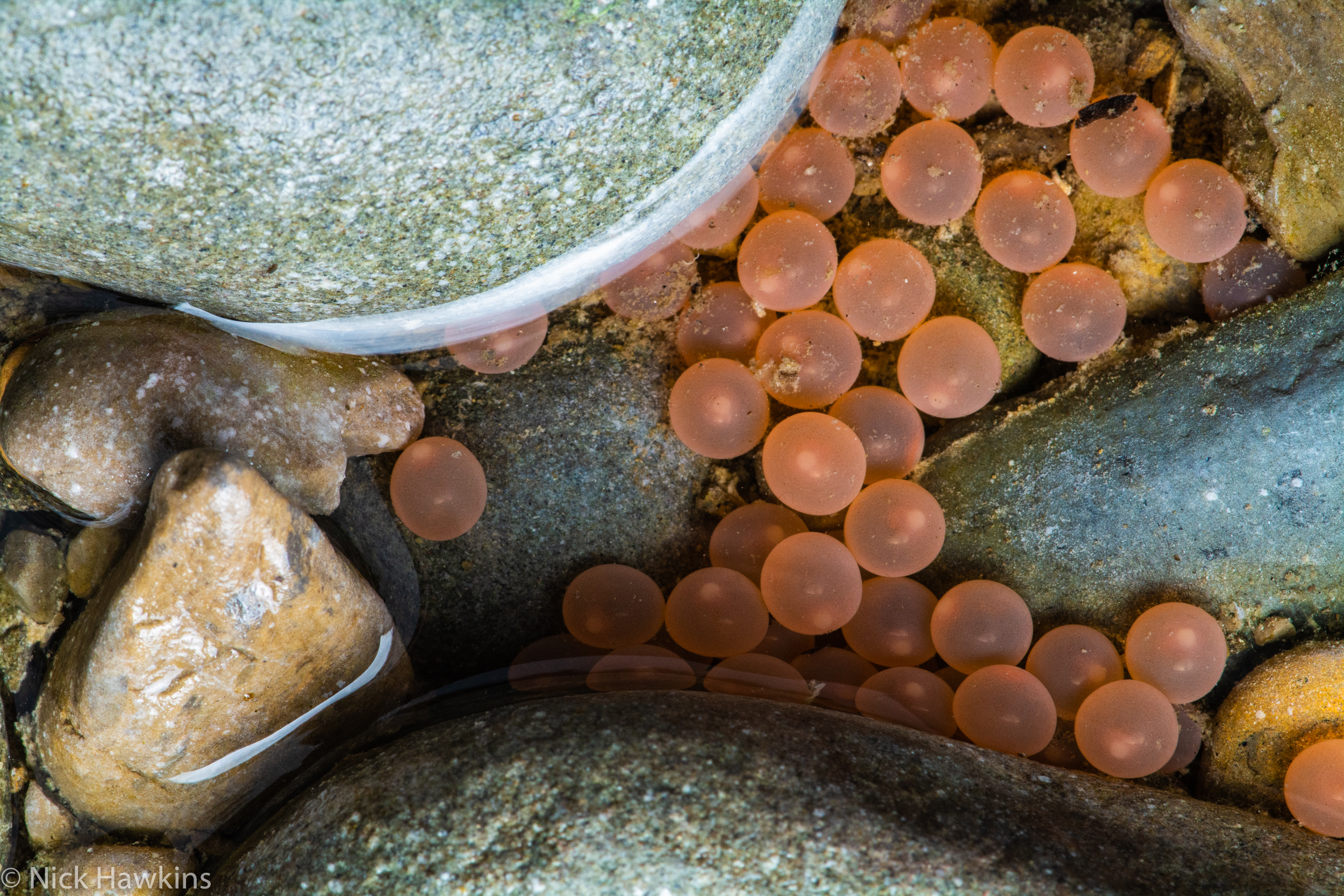
Integrating genomics, environmental DNA and telemetry to understand change across Atlantic salmon populations.
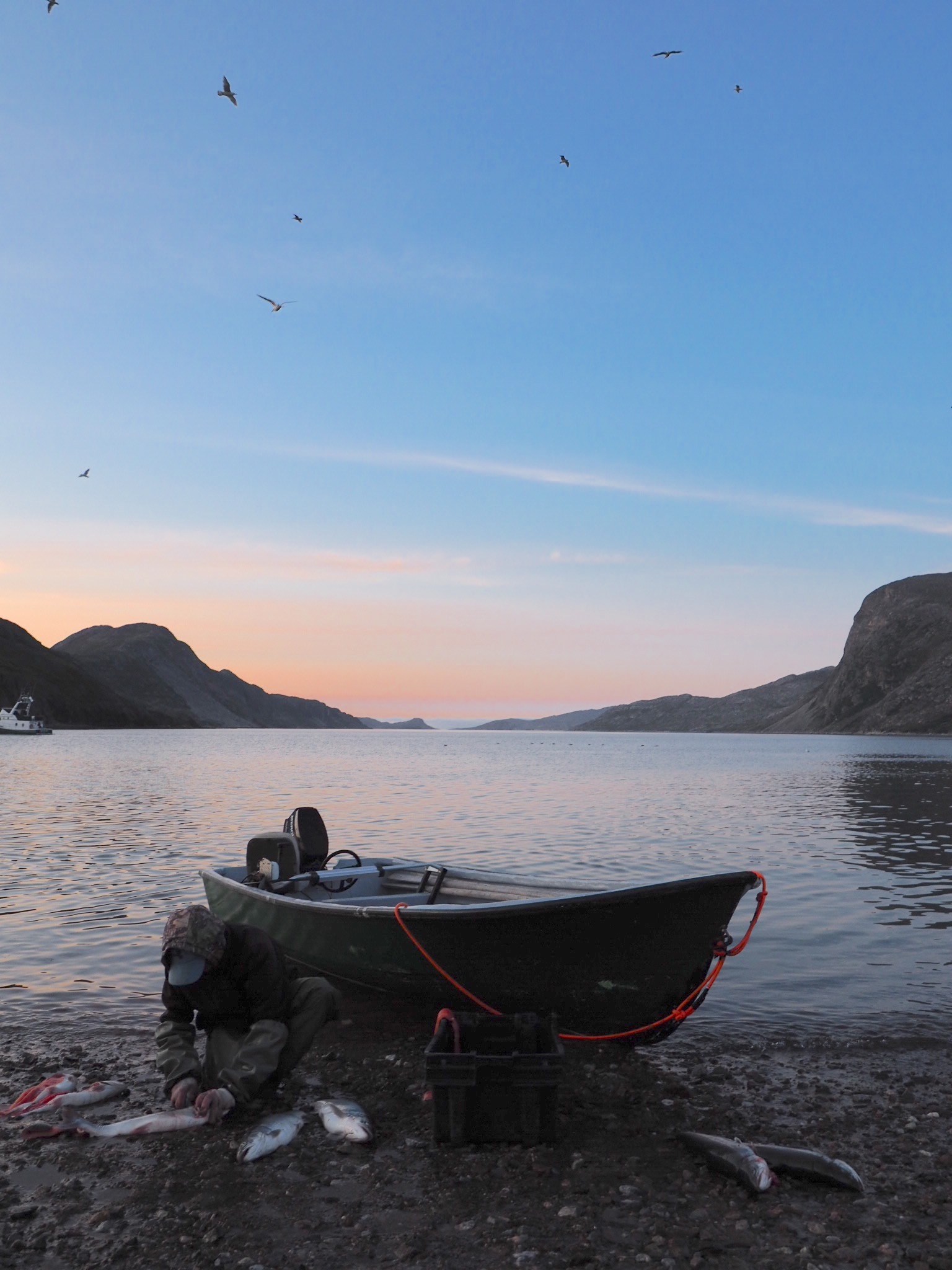
Genomic adaptation, environmental change and pangenomics across Labrador and the Canadian Arctic.
Fieldwork
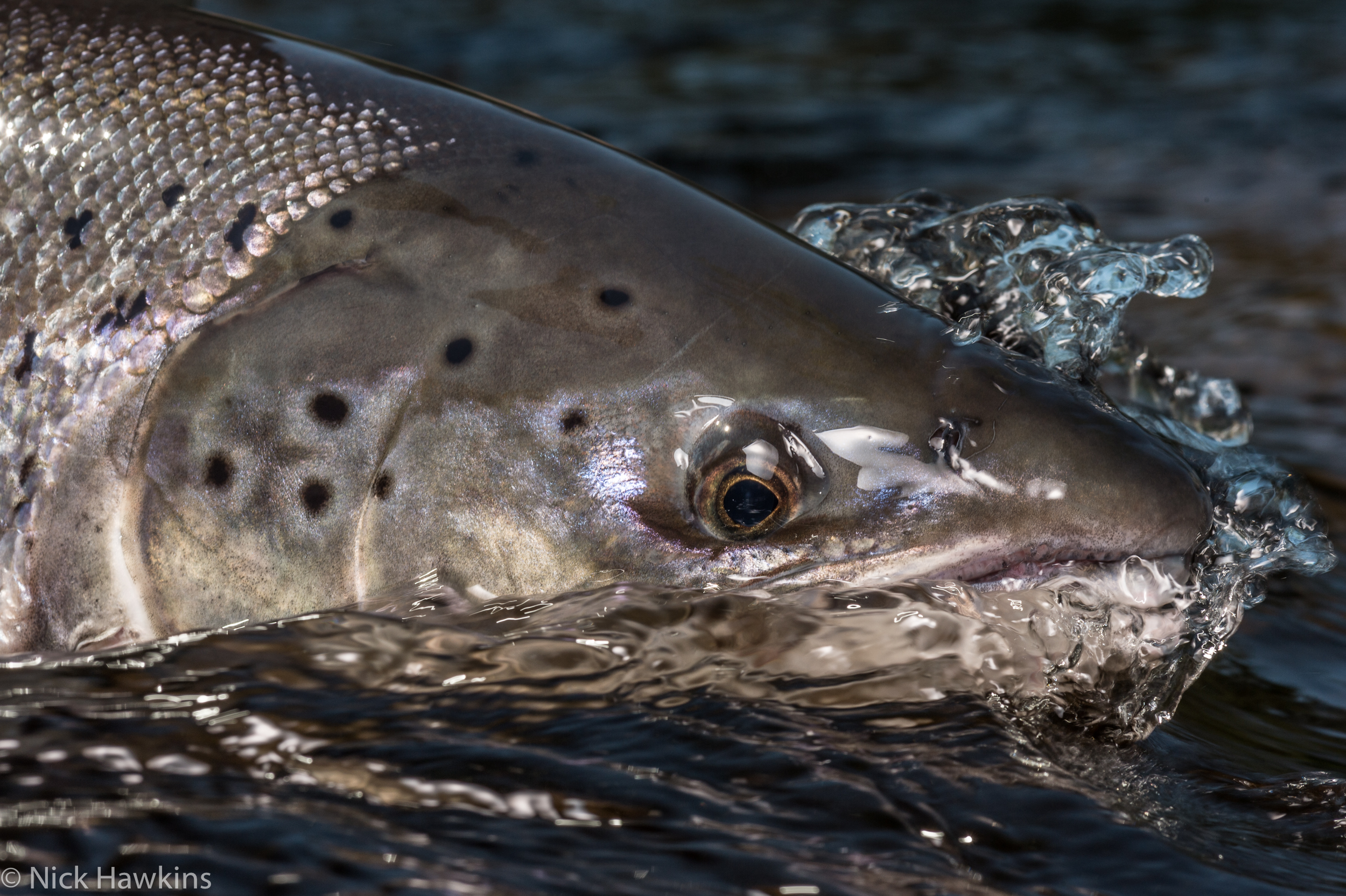
Our work spans rivers, coasts and offshore ecosystems—from Newfoundland and Labrador to the Canadian Arctic and across the North Atlantic.
About
Ian Bradbury is a research scientist with Fisheries and Oceans Canada whose work focuses on evolutionary and conservation genomics of aquatic species, with an emphasis on climate adaptation, population structure and the translation of genomic evidence into science advice.
Connect
Interested in collaborative research, genomics, aquatic biodiversity or graduate opportunities?
Get in touch