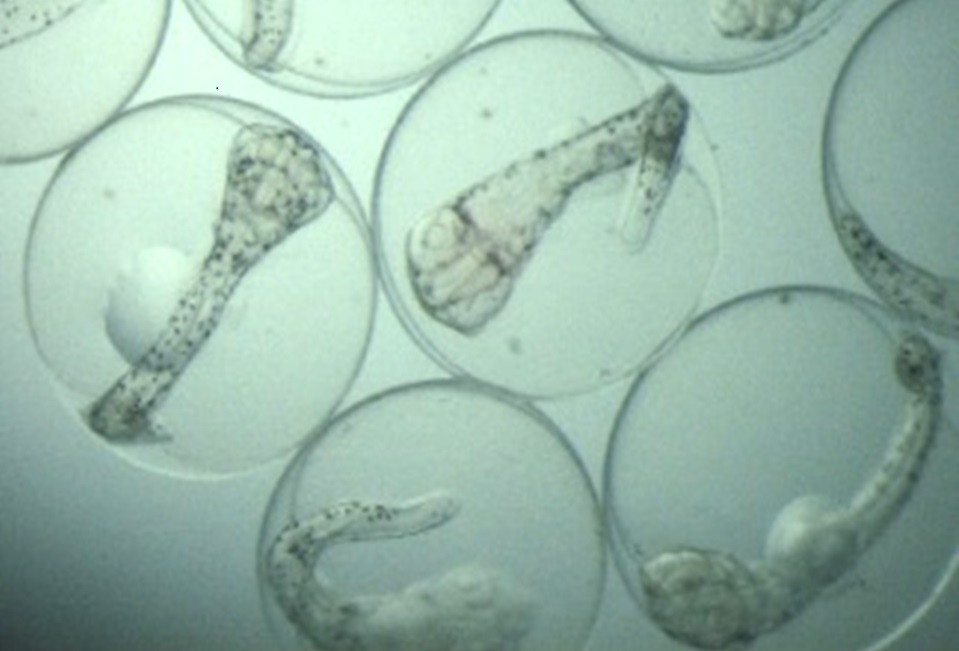
Relatedness analysis of cod connectivity
MEPS, 2016
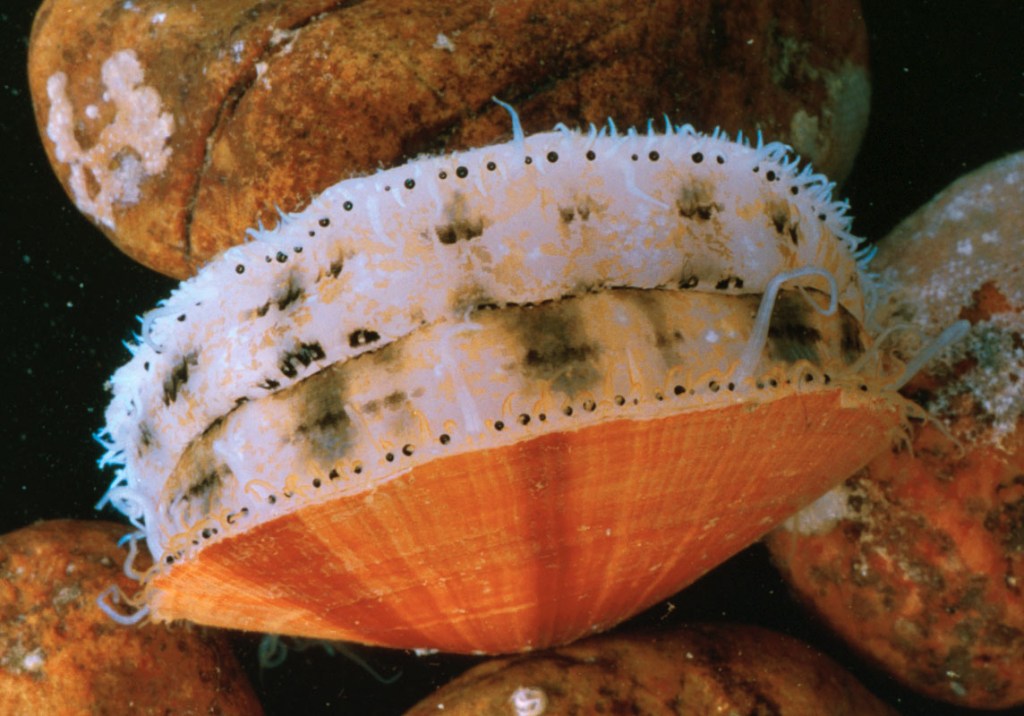
RAD-Seq analysis of Sea Scallop connectivity
Evolutionary Applications, 2016

Comment on homing in marine fish
Molecular Ecology, 2016

Canadian Journal of Fisheries and Aquatic Sciences, 2011
How far individuals move in the oceans remains a largely unanswered question.

In the majority of marine organisms, the prevalence of pelagic stages, widespread larval distributions, small and weakly swimming larvae and weak genetic divergence have all contributed to the widely held view over the last century that marine populations are generally characterized by broad-scale dispersal.
Recent decades have seen several technological advancements directed at tracking or tagging fishes and invertebrates. Increasingly past generalizations appear invalid, and not unexpectedly the story is much more complex. We have been working to apply many of these approaches in an integrated framework to better resolve connectivity patterns in the sea.
We are integrating traditional tracking methods and genetic and genomic techniques to quantify marine dispersal in many organisms with complex life histories. We are extrapolating this data to accurately describe population connectivity and dynamics to gain an accurate picture of population structure in the marine environment. These data are directly informing spatial planning and marine management, such as the delineation of stocks or design of marine protected areas.
 Bradbury Population Genomics Lab